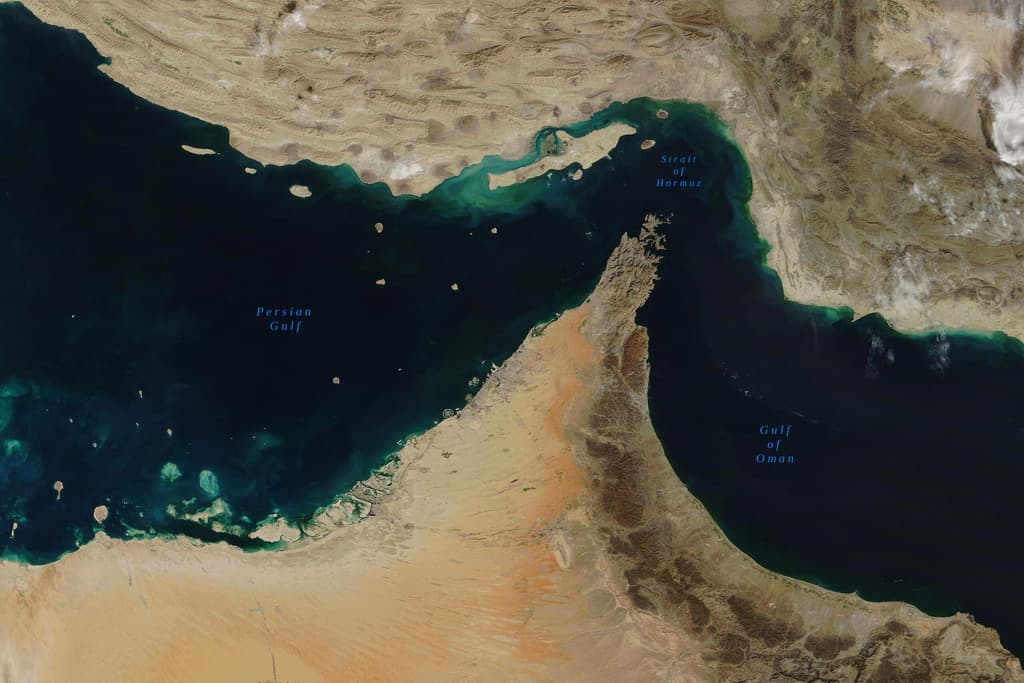
Escalating attacks on commercial vessels in the Strait of Hormuz, with Iran reporting seven oil tankers struck overnight on October 22 amid a surge to 28 incidents for the month—the highest since the February 2026 conflict onset—are the dominant driver of trader sentiment. Iran’s IRGC has claimed control via mines, projectiles, and anti-ship systems, including recent engine-room strikes, while U.S. Central Command coordinates protective transits that have kept daily AIS-visible crossings at roughly 4% of pre-crisis norms and oil flows near 13 million barrels per day. This environment has lifted tanker insurance costs, freight rates, and implied volatility in energy benchmarks, as market participants weigh the risk of sustained disruption against U.S.-facilitated “dark shuttle” operations. Key near-term catalysts include ongoing IRGC warnings of expanded strikes and any shifts in U.S. naval posture or diplomatic signals that could alter transit volumes.
Experimental AI-generated summary referencing Polymarket data. This is not trading advice and plays no role in how this market resolves. · UpdatedView resolved
Beware of external links.
Beware of external links.
Frequently Asked Questions