

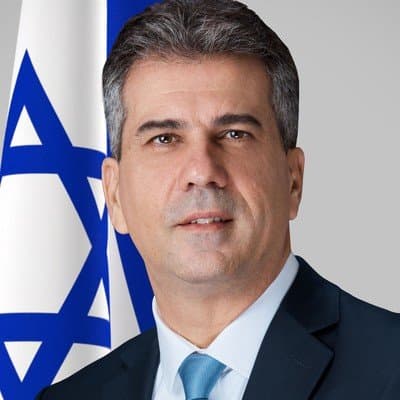





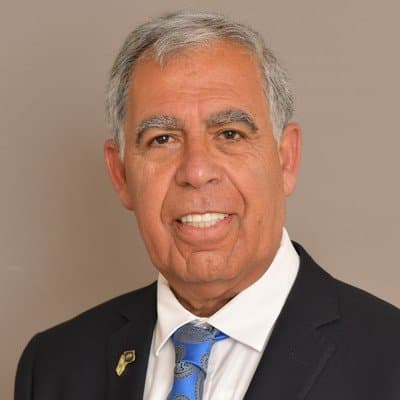


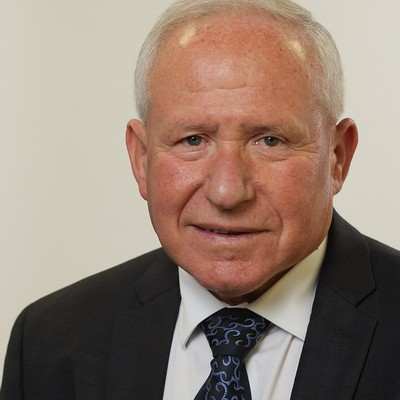



The upcoming October 27 Knesset elections have produced a fragmented outcome in recent polls, with neither the Likud-led coalition bloc nor the opposing Zionist parties reaching a clear majority of 61 seats. This deadlock has elevated the immediate post-election vote for speaker as a key early test, with opposition figures coordinating to replace incumbent Amir Ohana potentially before a new government forms. Arab parties have signaled willingness to back such a move, which would grant agenda control during any transition period under established Knesset procedures. Multiple candidates from across parties, including those associated with Likud, centrist, and opposition lists, trade near even odds in the market, reflecting uncertainty over final seat counts, coalition negotiations, and whether 61 MKs can align on a single replacement. Election results, cross-bloc agreements, or shifts in Arab party positioning could quickly alter the field.
Experimental AI-generated summary referencing Polymarket data. This is not trading advice and plays no role in how this market resolves. · UpdatedView resolved
Beware of external links.
Beware of external links.
Frequently Asked Questions